 By Patricia Jones
 Pinellas County is one of Florida’s most appealing coastal destinations. It combines soft-sand beaches, arts and museums, waterfront parks, historic communities and easy access to Tampa Bay. Visitors can spend the morning in Clearwater Beach, explore downtown St. Petersburg in the afternoon and watch the sunset from a Gulf community.
The county has 24 incorporated municipalities, including St. Petersburg, Clearwater, Largo, Dunedin, Tarpon Springs and St. Pete Beach. Clearwater is the county seat, while St. Petersburg is the largest city and the main centre for arts, dining and urban sightseeing.
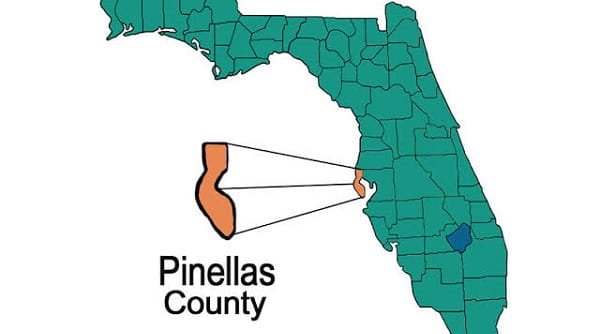
Quick Overview of Pinellas County
| Category | Details |
| State | Florida |
| Region | Tampa Bay and Florida’s west coast |
| County seat | Clearwater |
| Established | 1912 |
| Estimated population | 948,563 in 2025 |
| Land area | Approximately 274 square miles |
| Number of municipalities | 24 |
| Largest city | St. Petersburg |
| Main airport | St. Pete-Clearwater International Airport |
| Nearby major airport | Tampa International Airport |
| Major visitor areas | St. Petersburg, Clearwater Beach, Dunedin, Tarpon Springs and St. Pete Beach |
| Judicial circuit | Sixth Judicial Circuit of Florida |
| Best time to visit | November to May |
Pinellas County became a separate county in 1912 after previously forming part of Hillsborough County. Although it is Florida’s second-smallest county by land area, it is densely developed and has a long coastline, barrier islands and busy urban communities.
Where Is Pinellas County Located?
Pinellas County forms a peninsula on the western side of Tampa Bay. Tampa Bay lies to the east, the Gulf Coast to the west and Pasco County directly to the north.
- Gulf beaches are within driving distance of Clearwater and St. Petersburg.
- Bridges connect the county with Tampa and Bradenton.
- S. Route 19 is the main north-south road through much of the county.
- Interstate 275 serves St. Petersburg and the southern peninsula.
- Visitors can combine urban, cultural and coastal experiences.
Traffic becomes heavy near beaches, bridge approaches and event venues. Plan each day by area and allow extra time during weekends and the winter travel season.
Best Places to Visit in Pinellas County
1. St. Petersburg
St. Petersburg is the county’s main arts, cultural and dining destination. Its waterfront contains museums, parks, restaurants and the 26-acre St. Pete Pier.
Popular experiences include The Dalí Museum, St. Pete Pier, the Museum of Fine Arts, Central Avenue, waterfront parks and seasonal events. The city is a practical base for visitors who want museums, nightlife and access to Gulf beaches.
2. Clearwater and Clearwater Beach
Clearwater is the county seat and the location of major government and court offices. Clearwater Beach lies across the Intracoastal Waterway and is one of the county’s busiest tourism areas.
Visitors can enjoy the beach, Pier 60, sunset activities, dolphin cruises and waterfront dining. Staying near the beach reduces daily driving, but parking can be limited during popular periods.
3. Dunedin
Dunedin has a walkable downtown, restaurants, breweries and access to the Pinellas Trail. It is also the gateway to Honeymoon Island State Park and ferry service to Caladesi Island.
4. Tarpon Springs
Tarpon Springs is known for Greek heritage and its historic sponge industry. The Sponge Docks area has sponge boats, bakeries, Greek restaurants, shops and sightseeing cruises.
5. St. Pete Beach and the Gulf Communities
St. Pete Beach, Treasure Island, Madeira Beach, Indian Rocks Beach and nearby towns offer accommodation, restaurants and direct beach access. They suit visitors whose main priority is a relaxed coastal holiday.
Top Attractions in Pinellas County
1. The Dalí Museum
The Dalí Museum in St. Petersburg holds a major collection of works by Salvador Dalí. Its waterfront setting, architecture, garden and changing exhibitions make it one of the county’s leading cultural attractions. Timed tickets are recommended.
2. St. Pete Pier
St. Pete Pier combines walking areas, restaurants, public art, a playground, a splash pad, a fishing deck and views across Tampa Bay. There is no general admission charge to enter the Pier District.
3. Fort De Soto Park
Fort De Soto is the county park system’s largest park. It covers five connected islands and includes beaches, a historic fort, camping, fishing, paddling and paved recreation trails. Visitors should check park notices because storms or maintenance can affect individual facilities.
Honeymoon Island and Caladesi Island
Honeymoon Island State Park near Dunedin offers more than four miles of beach, nature trails, fishing and swimming. It also serves as the ferry point for Caladesi Island, which is known for a quieter beach, mangrove paddling routes and a natural setting.
Beaches and Outdoor Activities
Pinellas County has beaches, coastal parks, preserves and more than 20,000 acres managed by its Parks and Conservation Resources Department.
- Swimming and beach walking
- Kayaking and paddleboarding
- Cycling on the Pinellas Trail
- Fishing and boating
- Birdwatching and photography
- Visiting Brooker Creek Preserve, Weedon Island Preserve and the Florida Botanical Gardens
Visitors should follow warning flags, lifeguard advice and wildlife-protection rules.
Administration Details
Pinellas County is a charter county governed by a seven-member Board of County Commissioners. The Board adopts ordinances, approves the budget, sets tax rates and governs unincorporated areas directly.
For 2026, Dave Eggers is Board Chairman and Chris Latvala is Vice Chairman. Barry A. Burton is County Administrator and oversees daily county operations. Jewel White serves as County Attorney.
Five elected constitutional officers manage independent functions:
- Clerk of the Circuit Court and Comptroller: Ken Burke
- Sheriff: Bob Gualtieri
- Property Appraiser: Mike Twitty
- Supervisor of Elections: Julie Marcus
- Tax Collector: Adam Ross
The 24 municipalities have their own elected governments and local services. A postal address does not always show whether a property is inside a municipality or in unincorporated Pinellas County.
Judiciary Details
Pinellas County is part of Florida’s Sixth Judicial Circuit, which also serves Pasco County. Circuit Court handles major civil cases, felonies, family law, probate and guardianship. Pinellas County Court handles smaller civil disputes, misdemeanours, traffic matters, landlord-tenant cases and small claims.
Important judicial locations include:
- Pinellas County Justice Center, 14250 49th Street North, Clearwater
- Clearwater Courthouse, 315 Court Street, Clearwater
- Petersburg Courthouse, 545 First Avenue North, St. Petersburg
- Historic Courthouse and Law Library, 324 South Fort Harrison Avenue, Clearwater
Ken Burke is the elected Clerk of the Circuit Court and Comptroller. The Clerk maintains court records, accepts filings and payments, records official documents and performs county financial duties. Bruce Bartlett serves as State Attorney for the circuit, while Sara Mollo serves as Public Defender.
Court users should confirm the correct courthouse and department before travelling. Employees can explain procedures and provide approved forms, but they cannot give legal advice.
Shopping and Dining
Downtown St. Petersburg, Dunedin, Clearwater Beach, Corey Avenue and the Tarpon Springs Sponge Docks are useful dining and shopping areas. The local food scene includes seafood, Greek specialities, Cuban dishes, craft breweries, waterfront cafés and modern restaurants.
Getting to and Around Pinellas County
St. Pete-Clearwater International Airport is within the county. Tampa International Airport offers a wider range of flights across Tampa Bay.
PSTA operates the public bus network. The SunRunner connects downtown St. Petersburg with St. Pete Beach, while trolley and local routes serve other communities. A car remains convenient for Tarpon Springs, preserves and itineraries covering several areas.
Best Time to Visit
November to May is usually the most comfortable period for beaches and outdoor sightseeing. Winter and early spring bring pleasant weather but higher hotel demand.
Summer is hot, humid and rainy, although it suits swimming and lower-season travel. Hurricane season runs from June through November, so travellers should monitor forecasts and use flexible bookings.
Practical Tips for Visitors
- Stay near the main focus of the trip.
- Check beach and park conditions.
- Allow extra time for bridge and beach traffic.
- Confirm parking costs.
- Carry sunscreen, water and insect repellent.
- Check ferry times for Caladesi Island.
- Confirm the correct courthouse for legal appointments.
- Follow weather and evacuation instructions during storm season.
Frequently Asked Questions
Q: How many days are enough to explore Pinellas County?
A: Three days are enough for downtown St. Petersburg, one beach and either Dunedin or Tarpon Springs. Five to seven days allow time for several beaches, museums and parks.
Q: Is Clearwater or St. Petersburg a better place to stay?
A: Clearwater Beach is better for swimming and resort accommodation. St. Petersburg is more convenient for museums, restaurants, nightlife and waterfront parks.
Q: Can Pinellas County be explored without renting a car?
A: Yes, when the trip focuses on downtown St. Petersburg, St. Pete Beach or Clearwater Beach. Buses, the SunRunner, trolleys and ride-hailing services cover many areas. A car is more useful for Tarpon Springs and preserves.
Q: Which office handles court records or hearing-location questions?
A: Court records, filings and payment questions are generally handled by the Pinellas County Clerk of the Circuit Court and Comptroller. Hearing schedules and judge-related information may come from the Sixth Judicial Circuit. Use the case number when confirming details.
Q: Are all Pinellas County beaches free to enter?
A: Most public beaches do not charge general admission, but parking fees are common. State parks, Fort De Soto and ferry trips may have separate entrance, parking or transport charges.