 By Patricia Jones
 San Bernardino County is a vast Southern California destination where busy cities, mountain resorts, desert communities and historic highways exist within the same county. Visitors can shop and dine in Ontario or Rancho Cucamonga, explore Route 66 history in San Bernardino and Victorville, enjoy winter sports at Big Bear Lake or experience the desert landscape around Joshua Tree and Twentynine Palms.
The county covers more than 20,000 square miles, making it the largest county by area in the contiguous United States. Because its communities are widely separated, travellers should treat San Bernardino County as several different regions rather than one compact destination. A visit to Big Bear Lake, for example, requires very different planning from a trip to Ontario or Joshua Tree.
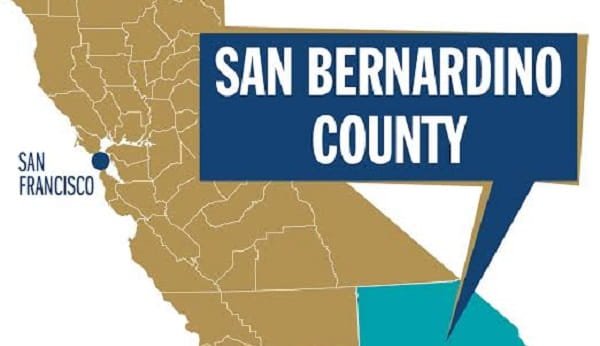
Quick Overview of San Bernardino County
| Category | Details |
| State | California |
| Region | Southern California |
| County seat | San Bernardino |
| Established | 1853 |
| Estimated population | About 2.22 million |
| Total area | Approximately 20,105 square miles |
| Land area | Approximately 20,068 square miles |
| Incorporated cities and towns | 24 |
| Governing body | Five-member Board of Supervisors |
| County chief executive officer | Luther Snoke |
| Main passenger airport | Ontario International Airport |
| Major cities | San Bernardino, Fontana, Ontario, Rancho Cucamonga, Victorville, Rialto and Hesperia |
| Popular destinations | Big Bear Lake, Lake Arrowhead, Joshua Tree, Calico Ghost Town and Route 66 |
| Superior Court presiding judge | Judge Rodney A. Cortez |
| Best time to visit | Depends on the region and planned activities |
San Bernardino County had an estimated population of 2,224,091 in 2025. Census data lists about 20,068 square miles of land, while the county government describes the total county area as approximately 20,105 square miles.
Where Is San Bernardino County Located?
San Bernardino County stretches from the eastern edge of the Los Angeles metropolitan area to the Nevada and Arizona borders. It includes urban communities in the Inland Empire, alpine areas in the San Bernardino Mountains and large sections of the Mojave Desert.
Its location provides access to:
- Los Angeles County
- Riverside County
- Nevada and Arizona
- Interstate 10
- Interstate 15
- Interstate 40
- Interstate 215
- Historic Route 66
- San Bernardino National Forest
- Joshua Tree National Park
- Mojave Desert destinations
Distances can be considerable. Driving from Ontario in the southwest to Needles near the Arizona border may take several hours. Mountain roads can also be affected by snow, fog, rockfalls and holiday traffic.
Best Cities and Areas to Visit
1. San Bernardino
San Bernardino is the county seat and an important government, transport and cultural centre. The city developed as a railway and Route 66 community at the base of the San Bernardino Mountains.
Popular places include:
- Original McDonald’s Site and Museum
- California Theatre of the Performing Arts
- San Bernardino History and Railroad Museum
- Glen Helen Regional Park
- National Orange Show Events Center
- Route 66 landmarks
- San Manuel Stadium
- California State University, San Bernardino
The city provides a practical starting point for trips into the mountains through the Rim of the World Scenic Byway.
2. Ontario and Rancho Cucamonga
Ontario and Rancho Cucamonga form one of the county’s main shopping, business and transport districts.
Visitors can explore:
- Ontario Mills
- Victoria Gardens
- Toyota Arena
- Cucamonga-Guasti Regional Park
- Historic Route 66
- Local restaurants and entertainment venues
- Etiwanda Falls trails near Rancho Cucamonga
Ontario is particularly convenient for air travellers because Ontario International Airport is located within the city.
3. Redlands
Redlands is known for historic architecture, tree-lined streets, museums and citrus-growing heritage.
Popular stops include:
- Downtown Redlands
- Lincoln Memorial Shrine
- San Bernardino County Museum
- Kimberly Crest House and Gardens
- Redlands Bowl
- University of Redlands
- Local cafés and independent shops
Redlands is connected with San Bernardino by Metrolink’s Arrow passenger rail service.
4. Victorville and the High Desert
Victorville is a major High Desert community along Interstate 15. It is a useful base for travellers exploring Route 66, desert parks and communities such as Apple Valley and Hesperia.
Places to visit include:
- California Route 66 Museum
- Mojave Narrows Regional Park
- Historic Route 66 sites
- High Desert shopping and dining
- Nearby desert trails and recreation areas
5. Big Bear Lake and Lake Arrowhead
The San Bernardino Mountains offer a completely different experience from the county’s desert and urban areas.
Big Bear Lake is popular for:
- Skiing and snowboarding
- Boating
- Fishing
- Kayaking
- Hiking
- Mountain biking
- Cabin stays
- Village shopping and dining
Lake Arrowhead offers mountain scenery, shops, restaurants and lakeside accommodation. However, much of Lake Arrowhead itself is privately managed, so visitors should confirm where public lake access is available.
Top Attractions in San Bernardino County
1. Joshua Tree National Park
Part of Joshua Tree National Park lies within San Bernardino County, with convenient access through communities such as Joshua Tree and Twentynine Palms.
Visitors can enjoy:
- Joshua tree landscapes
- Large rock formations
- Hiking trails
- Rock climbing
- Stargazing
- Nature photography
- Desert wildflowers
- Scenic drives
The park has no restaurants, grocery stores, fuel stations or lodging within its boundaries. Drinking water is also unavailable in much of the interior, so visitors must arrive with adequate food, water and fuel. Summer heat can be dangerous, while winter nights may become very cold.
2. Calico Ghost Town
Calico Ghost Town near Barstow preserves the atmosphere of a former silver-mining community. Visitors can explore historic-style buildings, shops, exhibits, mine-related attractions and seasonal events.
It works well as:
- A family stop along Interstate 15
- A break between Southern California and Las Vegas
- A Route 66 road-trip attraction
- A place to learn about desert mining history
Calico is operated as part of the San Bernardino County Regional Parks system and also provides camping facilities.
3. San Bernardino County Museum
Located in Redlands, the San Bernardino County Museum presents exhibitions covering regional history, Indigenous cultures, natural science, geology and local wildlife. It is a useful indoor attraction during very hot, rainy or cold weather.
4. Route 66
Historic Route 66 passes through several San Bernardino County communities, including Needles, Barstow, Victorville, San Bernardino and Rancho Cucamonga.
Visitors can find:
- Historic motels
- Old restaurants
- Railway landmarks
- Roadside signs
- Route 66 museums
- Vintage commercial buildings
- Classic driving sections
The California Route 66 Museum in Victorville is one of the most useful starting points for understanding the highway’s local history.
Parks and Outdoor Recreation
San Bernardino County Regional Parks operates destinations across metropolitan, mountain and desert landscapes.
Popular county parks include:
- Glen Helen Regional Park
- Yucaipa Regional Park
- Mojave Narrows Regional Park
- Prado Regional Park
- Cucamonga-Guasti Regional Park
- Mojave River Forks Regional Park
- Calico Ghost Town
Activities vary by location and may include:
- Camping
- Fishing
- Hiking
- Cycling
- Picnicking
- Horseback riding
- Swimming
- Splash-pad visits
- Wildlife observation
Park conditions can change because of wildfire risk, algae levels, weather, maintenance or seasonal closures. Visitors should review current notices before travelling.
County Administration and Government
San Bernardino County is governed by a five-member Board of Supervisors. Each supervisor represents a geographic district and helps set county policy, approve budgets and oversee services.
The current Board of Supervisors consists of:
- First District: Paul Cook
- Second District: Jesse Armendarez
- Third District and Board Chair: Dawn Rowe
- Fourth District: Curt Hagman
- Fifth District and Vice Chair: Joe Baca Jr.
The county’s chief executive officer is Luther Snoke. The CEO works under the Board of Supervisors and manages the county organisation, implements board policies, coordinates departments and helps prepare the annual budget. San Bernardino County operates more than 40 departments and agencies and employs more than 25,000 public-service professionals.
County responsibilities include:
- Public health
- Social services
- Public works
- Regional parks
- Land-use services
- Elections
- Libraries
- Economic development
- Sheriff and fire services
- County hospitals and behavioural health programmes
The Board approved an approximately $10.9 billion budget for the 2026–27 financial year.
Judiciary and Court System
The Superior Court of California, County of San Bernardino, handles trial-level legal matters across the county.
Its main case areas include:
- Criminal cases
- Civil disputes
- Family law
- Probate
- Juvenile matters
- Small claims
- Landlord-tenant disputes
- Traffic cases
- Appeals from certain lower-level decisions
For the 2026–2027 term, Judge Rodney A. Cortez serves as presiding judge. Judge Kyle S. Brodie serves as assistant presiding judge, while Anabel Z. Romero is the court executive officer. The court operates 12 facilities and is supported by more than 100 judicial officers and over 1,100 employees.
Court locations serve different parts of the county, including:
- San Bernardino
- Rancho Cucamonga
- Victorville
- Fontana
- Barstow
- Big Bear
- Joshua Tree
- Needles
- Juvenile court divisions
People should confirm the correct courthouse before filing documents or attending a hearing because case types are divided among several locations. The court’s online services include case searches, forms, tentative rulings and self-help information.
Getting to and Around San Bernardino County
Ontario International Airport is the county’s principal commercial airport. It offers as many as 90 daily nonstop flights to around 30 destinations, including domestic and international routes.
Other transport options include:
- Rental cars
- Metrolink trains
- Arrow passenger rail
- Omnitrans buses
- Victor Valley Transit
- Mountain Transit
- Basin Transit
- Ride-hailing services
- Local taxis
Metrolink’s San Bernardino Line connects county communities with Los Angeles Union Station. Arrow service connects San Bernardino with Loma Linda and Redlands through five stations.
A car remains the most practical option for mountain resorts, desert parks, Route 66 attractions and rural communities.
Best Time to Visit
The best season depends on the part of the county.
- Spring: Suitable for desert sightseeing, wildflowers and lower-elevation hiking.
- Summer: Popular at Big Bear Lake but extremely hot in desert communities.
- Autumn: Comfortable for Route 66 trips, hiking and mountain visits.
- Winter: Best for mountain snow activities but may bring difficult road conditions.
- October through May: The busiest period at Joshua Tree National Park.
Weather can differ sharply across the county on the same day. Visitors may experience warm conditions in Ontario, snow in Big Bear and intense desert sun near Needles.
Practical Tips for Visitors
Before visiting San Bernardino County:
- Confirm driving distances before booking accommodation.
- Do not plan mountain and desert attractions on the same day.
- Carry extra water when entering desert areas.
- Check snow-chain rules before mountain travel.
- Monitor wildfire, flood and road-closure notices.
- Fill the fuel tank before entering remote areas.
- Download maps because mobile reception may be limited.
- Reserve campsites during busy periods.
- Check park conditions before swimming or fishing.
- Use sun protection throughout the year.
- Confirm the correct courthouse for legal appointments.
- Allow additional time on Interstates 10 and 15.
Frequently Asked Questions
Q1. How many days are enough to explore San Bernardino County?
A: Three days are enough to explore one region, such as the Inland Empire cities or the Big Bear area. Five to seven days are better for travellers who want to combine mountain, desert and Route 66 destinations.
Q2. Where should first-time visitors stay?
A: Ontario or Rancho Cucamonga is convenient for the airport, restaurants and urban attractions. Big Bear Lake is better for mountain recreation, while Joshua Tree or Twentynine Palms suits travellers mainly visiting the national park.
Q3. Is Joshua Tree National Park entirely within San Bernardino County?
A: No. Joshua Tree National Park extends across both San Bernardino and Riverside counties. Its northern communities and entrances around Joshua Tree and Twentynine Palms are in San Bernardino County.
Q4. Can San Bernardino County be explored without a car?
A: Selected urban areas can be reached using Metrolink, Arrow and local buses. However, a car is strongly recommended for Big Bear Lake, Lake Arrowhead, Joshua Tree, Calico Ghost Town and remote desert areas.
Q5. Where are county government and major court offices located?
A: The main county government offices and the San Bernardino Justice Center are in the city of San Bernardino. However, court services are distributed among multiple courthouses, so visitors must confirm the location assigned to their case before travelling.