 By Patricia Jones
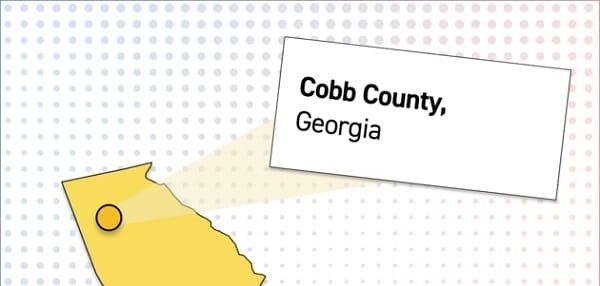
 Cobb County is a major administrative, economic and residential centre in northwestern metropolitan Atlanta. It combines established suburban communities, large employment districts, historic cities, industrial areas and rapidly changing urban corridors within a relatively compact county.
Marietta is the county seat and the main location for county government and courts. Other incorporated cities include Acworth, Austell, Kennesaw, Mableton, Powder Springs and Smyrna. Large parts of East Cobb, West Cobb and other communities remain unincorporated and therefore rely directly on county government for police, fire, planning, roads, water and other local services.
Cobb County has developed from a largely rural area into one of Georgia’s most populated counties. Its government now manages a complex range of responsibilities, including public safety, courts, transportation, water services, elections, parks, land-use planning and support for vulnerable residents.
Quick Overview of Cobb County
| Category | Details |
| State | Georgia |
| Region | Northwestern metropolitan Atlanta |
| County seat | Marietta |
| Established | 1832 |
| Estimated population | 793,345 in 2025 |
| Land area | Approximately 340 square miles |
| Incorporated cities | Seven |
| Governing body | Five-member Board of Commissioners |
| Commission chairwoman | Lisa Cupid |
| County manager | Dr. Jackie McMorris |
| Main trial court | Superior Court of the Cobb Judicial Circuit |
| Superior Court chief judge | Judge Ann B. Harris |
| State Court chief judge | Judge Eric Brewton |
| Main government offices | 100 Cherokee Street, Marietta |
| Main courthouse | Cobb County Superior Court complex in Marietta |
| FY 2026 operating budget | Approximately $1.33 billion |
| Major economic sectors | Healthcare, technology, manufacturing, retail, construction and professional services |
Cobb County’s population increased by approximately 3.6% between the April 2020 population base and July 2025. The county had more than 320,000 housing units in 2025 and nearly 296,000 households during the 2020–2024 reporting period.
Location and Geographic Structure
Cobb County is located northwest of Atlanta. It borders Cherokee County to the north, Fulton County to the east and southeast, Douglas County to the southwest, Paulding County to the west and Bartow County to the northwest.
The county includes:
- Densely developed communities near Atlanta
- Corporate and commercial districts
- Historic downtown areas
- Established suburban neighbourhoods
- Industrial and manufacturing corridors
- Unincorporated residential communities
- Parks, streams and protected open space
- Major road and railway connections
Important transportation routes include:
- Interstate 75
- Interstate 285
- Interstate 20
- S. Highway 41
- State Route 120
- State Route 5
- East-West Connector
- Barrett Parkway
- Dallas Highway
- Cobb Parkway
The county’s eastern and southeastern areas are closely connected with Atlanta’s employment centres. Northern and western sections contain a mixture of suburban development, older communities and remaining open land.
Cities and Unincorporated Communities
Cobb County contains seven incorporated cities.
Incorporated Cities
- Marietta: County seat and location of major government, court and business facilities
- Smyrna: Densely developed city near Cumberland and Interstate 285
- Mableton: The county’s newest city and an important South Cobb population centre
- Kennesaw: Residential, educational and commercial city in northern Cobb
- Acworth: City near Lake Allatoona and the Bartow County boundary
- Powder Springs: Growing city in western Cobb County
- Austell: Community extending into Cobb and Douglas counties
Each city has its own elected government. Municipal responsibilities may include:
- Local planning and zoning
- Business licensing
- Code enforcement
- Municipal streets
- Parks and recreation
- Police services
- Municipal courts
- Waste collection
Service arrangements are not identical in every city. Some municipalities provide their own police and fire services, while others depend on county agencies or intergovernmental agreements.
Large unincorporated areas include East Cobb, West Cobb and communities surrounding Marietta, Kennesaw, Powder Springs and other cities. Cobb County directly manages many local services in these places.
Population and Housing
Cobb County has a large and diverse population. Its communities include long-term residents, young families, university students, military households, international residents and professionals working throughout metropolitan Atlanta.
Important population figures include:
- Residents under 18: 21.4%
- Residents aged 65 or older: 15.3%
- Black population: 28.6%
- Asian population: 6.4%
- Hispanic or Latino population: 16.2%
- Foreign-born residents: 16.5%
- Veterans: More than 36,500
- Residents speaking another language at home: 21.9%
Housing figures for the 2020–2024 period include:
- Owner-occupied housing rate: 67%
- Median owner-occupied home value: $407,200
- Median gross monthly rent: $1,730
- Average household size: 2.59 people
- Housing units in 2025: 320,312
- Residential building permits in 2025: 1,787
Housing costs vary across the county. Areas near Cumberland, East Cobb and major commercial centres may have higher property prices, while older communities and western areas may offer different housing options.
Growth and redevelopment create continued demand for road improvements, water capacity, schools, public safety and affordable housing.
Education, Income and Workforce
Cobb County has a comparatively well-educated workforce.
Approximately:
- 93% of residents aged 25 and older have completed high school.
- 8% hold a bachelor’s degree or higher.
- 3% of residents aged 16 and older participate in the civilian labour force.
- Median household income was $102,738 during 2020–2024.
- Per-capita income was $52,646.
- Around 8.7% of residents lived below the poverty line.
Major educational institutions include:
- Kennesaw State University
- Chattahoochee Technical College
- Life University
- Cobb County School District
- Marietta City Schools
- Private schools and professional training centres
The Cobb County School District and Marietta City Schools are separate public bodies. They have their own elected boards, budgets and administrative leadership and are not departments controlled by the county manager.
Economy and Employment
Cobb County has a broad economy supported by large employers, small businesses, healthcare systems, manufacturing plants, retail districts and professional offices.
Major economic sectors include:
- Healthcare and social assistance
- Aerospace and defence
- Technology
- Advanced manufacturing
- Professional services
- Construction
- Retail
- Hospitality
- Education
- Logistics
- Public administration
Important employment areas include:
- Cumberland and the Interstate 285 corridor
- Town Center and Barrett Parkway
- Marietta’s industrial and healthcare districts
- Cobb Parkway
- Smyrna
- Kennesaw
- Lockheed Martin’s Marietta operations
- Dobbins Air Reserve Base
Major regional institutions and employers include Wellstar Health System, Lockheed Martin, Kennesaw State University, healthcare providers, government agencies and numerous corporate offices.
The county recorded more than 22,000 employer establishments and approximately 376,000 jobs in 2023. Total annual payroll was close to $28 billion.
Economic growth brings benefits through jobs and commercial investment, but it also creates pressure involving traffic, housing, infrastructure and land availability.
County Administration and Government
Cobb County is governed by a five-member Board of Commissioners. The chairwoman is elected countywide, while four commissioners represent geographic districts.
The current Board consists of:
- Chairwoman: Lisa Cupid
- District 1 Commissioner: Keli Gambrill
- District 2 Commissioner: Erick Allen
- District 3 Commissioner: JoAnn K. Birrell
- District 4 Commissioner: Monique Sheffield
The Board of Commissioners is responsible for:
- Adopting the county budget
- Setting county tax rates
- Passing ordinances
- Approving contracts
- Making land-use and zoning decisions
- Funding police, fire and emergency services
- Managing county property
- Approving road and water projects
- Appointing the county manager
- Establishing administrative policies
- Supporting parks, libraries and community programmes
The Board normally meets at 100 Cherokee Street in Marietta. Regular meetings and zoning hearings are open to the public, except when Georgia law permits a closed executive session.
County Manager and Administrative Leadership
Dr. Jackie McMorris serves as Cobb County Manager. She was appointed to the position in 2020 and acts as the county’s chief professional administrator.
The county manager is responsible for implementing policies approved by the Board of Commissioners and coordinating the work of county departments.
Major responsibilities include:
- Preparing and administering the budget
- Supervising appointed department directors
- Coordinating public services
- Monitoring organisational performance
- Managing long-term projects
- Advising the Board of Commissioners
- Overseeing administrative planning
- Coordinating emergency operations
- Supporting workforce development
- Managing county facilities and technology
The county manager works with elected officials, judges and independent constitutional officers but does not have direct control over every county office.
Officials such as the Sheriff, District Attorney, Superior Court Clerk and Tax Commissioner receive their authority from Georgia law and county voters.
County Budget and Financial Structure
Cobb County uses a biennial budgeting process. The adopted FY 2026 operating budget totals approximately $1.33 billion.
Major budget areas include:
- General government
- Police and public safety
- Fire and emergency services
- Sheriff and detention services
- Courts and prosecution
- Water services
- Public transportation
- Parks and recreation
- Information technology
- Employee healthcare and liability funds
- Streetlights and special-service districts
The General Fund represents the largest governmental operating fund. Separate funds support fire services, water operations, transit, emergency communications and other specialised functions.
The county also uses Special Purpose Local Option Sales Tax programmes to finance approved capital improvements such as:
- Roads
- Bridges
- Public-safety facilities
- Parks
- Libraries
- Technology
- Government buildings
Other Important County Officials
Several important county offices are led by independently elected officials.
These include:
- Sheriff: Craig Owens
- District Attorney: Flynn D. Broady Jr.
- Solicitor General: Makia Metzger
- Superior Court Clerk: Connie Taylor
- Tax Commissioner: Carla Jackson
Their responsibilities include:
- County jail operations
- Court security
- Civil-process service
- Felony prosecution
- Misdemeanour prosecution
- Court records
- Property records
- Vehicle registration
- Property-tax billing and collection
Different officials perform different parts of the property-tax process. The Board of Tax Assessors determines assessed values, while the Tax Commissioner issues bills and collects payments.
Judiciary and Court System
Cobb County forms its own Superior Court judicial circuit, known as the Cobb Judicial Circuit.
The county court system includes:
- Superior Court
- State Court
- Juvenile Court
- Probate Court
- Magistrate Court
- Municipal courts
1. Superior Court
The Superior Court is a court of general jurisdiction. Judge Ann B. Harris serves as Chief Judge.
The court handles:
- Felony criminal cases
- Divorce and child custody
- Major civil disputes
- Cases involving title to land
- Domestic-relations matters
- Protective orders
- Appeals permitted under state law
- Accountability and treatment courts
The Superior Court Clerk maintains court files, property records, notary records and other official documents assigned to the office.
2. State Court
Judge Eric Brewton serves as Chief Judge of Cobb County State Court.
State Court generally handles:
- Misdemeanour criminal cases
- Traffic offences
- Civil lawsuits
- Contract disputes
- Personal-injury cases
- Premises-liability matters
The Solicitor General prosecutes misdemeanours and related cases in State Court.
3. Magistrate Court
Magistrate Court handles:
- Small civil claims
- Evictions
- Garnishments
- Arrest and search warrants
- Preliminary criminal hearings
- Certain ordinance matters
The Magistrate Court is often called the people’s court because individuals may handle many cases without complex procedures.
4. Probate and Juvenile Courts
Probate Court handles:
- Wills
- Estates
- Guardianships
- Marriage licences
- Weapons-carry licences
- Certain election and vital-record matters
Juvenile Court handles cases involving:
- Children accused of offences
- Child dependency
- Neglect or abuse
- Children in need of services
- Custody-related matters assigned under state law
Anyone attending court should confirm the court name, building, courtroom and hearing time before travelling.
Public Safety and Emergency Services
Cobb County operates several public-safety agencies.
1. Cobb County Police Department
The Police Department provides law-enforcement services throughout unincorporated Cobb County. It also serves Mableton under a one-year intergovernmental agreement effective from June 15, 2026, while the city develops its longer-term public-safety structure.
Police responsibilities include:
- Patrol
- Criminal investigations
- Traffic enforcement
- Community policing
- Specialised response units
- Crime prevention
- Emergency response
2. Sheriff’s Office
The Sheriff’s Office is responsible for:
- County jail management
- Courthouse security
- Prisoner transport
- Civil-process service
- Warrant functions
- Support for judicial operations
- Other duties required by Georgia law
3. Fire and Emergency Services
Cobb County Fire and Emergency Services provides:
- Fire suppression
- Emergency medical response
- Rescue services
- Fire prevention
- Inspections
- Hazardous-material response
- Public fire education
- Disaster support
The Department of Emergency Communications operates the county’s 911 system, while Emergency Management coordinates planning for storms, flooding, hazardous incidents and other disasters.
Health and Community Services
Public-health services are primarily provided through Cobb & Douglas Public Health, which operates as part of Georgia’s public-health system rather than as a regular county department.
Services include:
- Disease monitoring
- Vaccinations
- Maternal and child health
- Environmental health
- Emergency preparedness
- Health education
- Clinical programmes
Other county-supported services include:
- Senior services
- Veterans assistance
- Animal services
- Public libraries
- Parks and recreation
- Housing and community development
- Extension programmes
- Support for people experiencing homelessness
- Substance-use prevention and recovery programmes
State agencies such as the Division of Family and Children Services administer many public-assistance and child-welfare programmes.
Roads, Water and Public Infrastructure
Cobb County is responsible for a large network of roads, water facilities, stormwater systems and public buildings.
The Department of Transportation manages:
- County roads
- Traffic signals
- Road construction
- Bridge projects
- Traffic engineering
- Pedestrian improvements
- Rights of way
- Long-term mobility planning
The Cobb County Water System provides drinking water and wastewater services to many homes and businesses. Its responsibilities include:
- Water distribution
- Wastewater collection
- Treatment operations
- Pipe maintenance
- Water-quality monitoring
- Conservation programmes
- System expansion
CobbLinc operates local and commuter bus services. It connects communities with major employment areas and selected regional transit services, although most residents continue to rely on personal vehicles.
Planning, Development and Code Enforcement
Cobb County Community Development regulates construction and land use in unincorporated areas.
Its responsibilities include:
- Zoning
- Building permits
- Development review
- Business licences
- Building inspections
- Code enforcement
- Sign regulations
- Long-range planning
- Comprehensive-plan updates
Incorporated cities normally manage these functions within their own boundaries. Property owners should confirm whether an address is inside a city or unincorporated Cobb before applying for permits or requesting inspections.
Frequently Asked Questions
Q1. Is Cobb County the same government as Marietta?
A: No. Marietta is an incorporated city with its own mayor, council, police department and municipal services. Cobb County is a separate government responsible for countywide courts, elections, records and services in unincorporated communities.
Q2. What is the difference between the Commission Chairwoman and the county manager?
A: The Commission Chairwoman is an elected official who leads the Board of Commissioners. The county manager is an appointed professional who implements Board policies and supervises county departments.
Q3. Which agency provides police services in unincorporated Cobb County?
A: The Cobb County Police Department is the main law-enforcement agency for unincorporated areas. Incorporated cities may operate their own police departments or use services provided through an agreement.
Q4. Which court handles a case in Cobb County?
A: The correct court depends on the matter. Superior Court handles felonies, divorce and major civil cases. State Court handles misdemeanours and many civil claims. Magistrate Court handles small claims, evictions and warrants, while Probate Court handles estates and guardianships.
Q5. Where are the main Cobb County government and court offices?
A: The Board of Commissioners and many administrative offices are located at 100 Cherokee Street in Marietta. The main Superior Court complex is located around Haynes Street and Waddell Street. Other departments and courts operate from additional locations, so residents should confirm the exact address before visiting.